← All Reading Lists
Start here: the films that sent you looking
Gattaca (1997)
A society sorted by genome, and a man who cheats the sort. If the injustice of it stayed with you, read Beggars in Spain, which takes the same premise and follows it for three generations, or Oryx and Crake for the corporate version.
Limitless (2011)
A drug that unlocks cognitive capacity, and the slow discovery of what it costs. Nexus is the serious treatment of that idea with a real technologist behind it, and Upgrade is the version where the change is permanent and written into the genome.
Neither film is adapted from a novel, which is why readers arrive looking for the book version and do not find one. Note that Blake Crouch's Upgrade (2022) shares its title with an unrelated 2018 film — the novel is the one on this list.
20 thrillers about rebuilding the human body
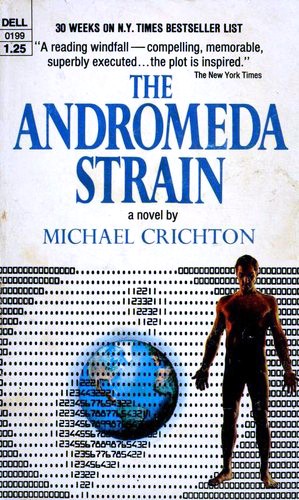
A satellite falls, a town dies, and five scientists go underground to work out why before it spreads. Crichton invented the modern biotech thriller here by refusing the monster entirely: the antagonist is a microorganism that obeys no plot logic, and the tension comes from procedure. Read it for the template every book below is written against.
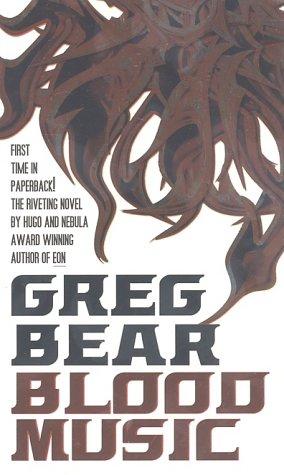
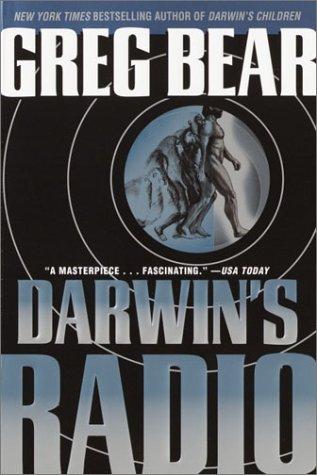
A researcher smuggles his own engineered lymphocytes out of the lab in his bloodstream, and they start to think. Bear takes the premise past body horror into something stranger: the cells are not hostile, they are curious, and what they do to their host is closer to translation than destruction. The most genuinely visionary book on this list.
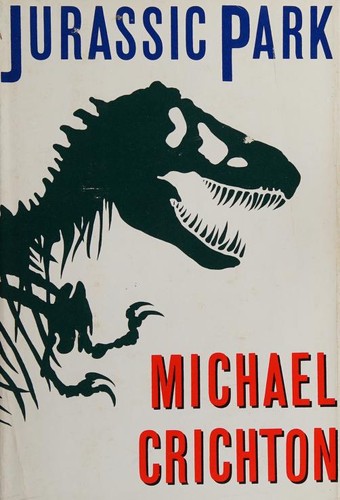
Everyone knows the dinosaurs. Fewer remember that the novel is mostly an argument about complex systems and the arrogance of people who believe they have accounted for every variable. The book is colder and more technical than the film, and Malcolm's speeches land harder on the page. It belongs here as the moment biotechnology became a mass anxiety.
Children are engineered to need no sleep, gain a third of their lives back, and are hated for it within a generation. Kress is less interested in the biology than in the politics of an advantage that cannot be shared, and she writes the resentment with uncomfortable fairness. The essential novel on what enhancement does to a society rather than a body.
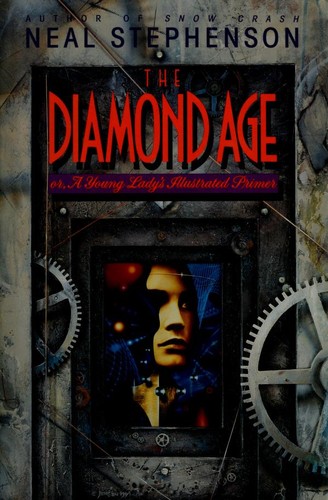
Nanotechnology has made matter cheap, which turns out to change everything except who has power. Stephenson builds the most detailed nanotech society in fiction and then puts a single girl and an interactive book at its centre. Dense, digressive, and the closest thing here to a technical manual with a heart.
A ninety-four-year-old woman undergoes a radical rejuvenation and wakes up young, healthy, and no longer quite herself. Sterling asks the question the enhancement debate usually skips: if the treatment works, does the person who comes out the other side owe anything to the one who went in? Underrated and unusually melancholy for him.
An ancient retrovirus in the human genome switches on and begins producing children who are not quite the same species. Bear writes the institutional response with painful accuracy: the science is provisional, the public is terrified, and the policy is made before anyone understands anything. Reads very differently after 2020.
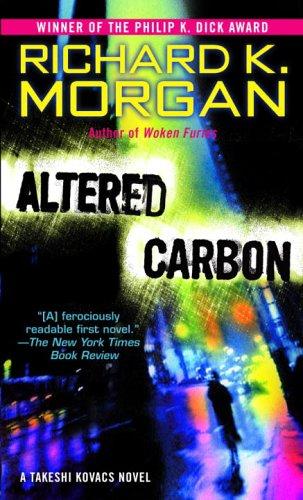
Consciousness is stored on a cortical stack and can be loaded into any available body, which makes death an expense rather than an end. Morgan writes it as hard-boiled noir and lets the economics do the horror: the rich are functionally immortal and everyone else rents their own flesh. Violent, propulsive, and sharper about class than it gets credit for.
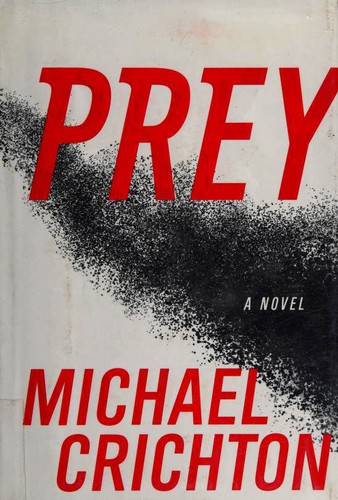
A swarm of self-replicating nanoparticles escapes a desert lab and starts learning faster than the people chasing it. Crichton at his most efficient: the science briefings are short, the pace never lets up, and the premise sits closest of any book here to what Nanogenesis is about. The obvious entry point if you want the nanotech end of the genre.
Told backwards from the ruins by the last ordinary man alive, surrounded by a species someone designed to be better than us. Atwood's corporations are funnier and more plausible than any thriller villain, and the horror accumulates through brand names rather than set pieces. The most literary book here and the one that ages best.
Interested in the nanotech end of this?
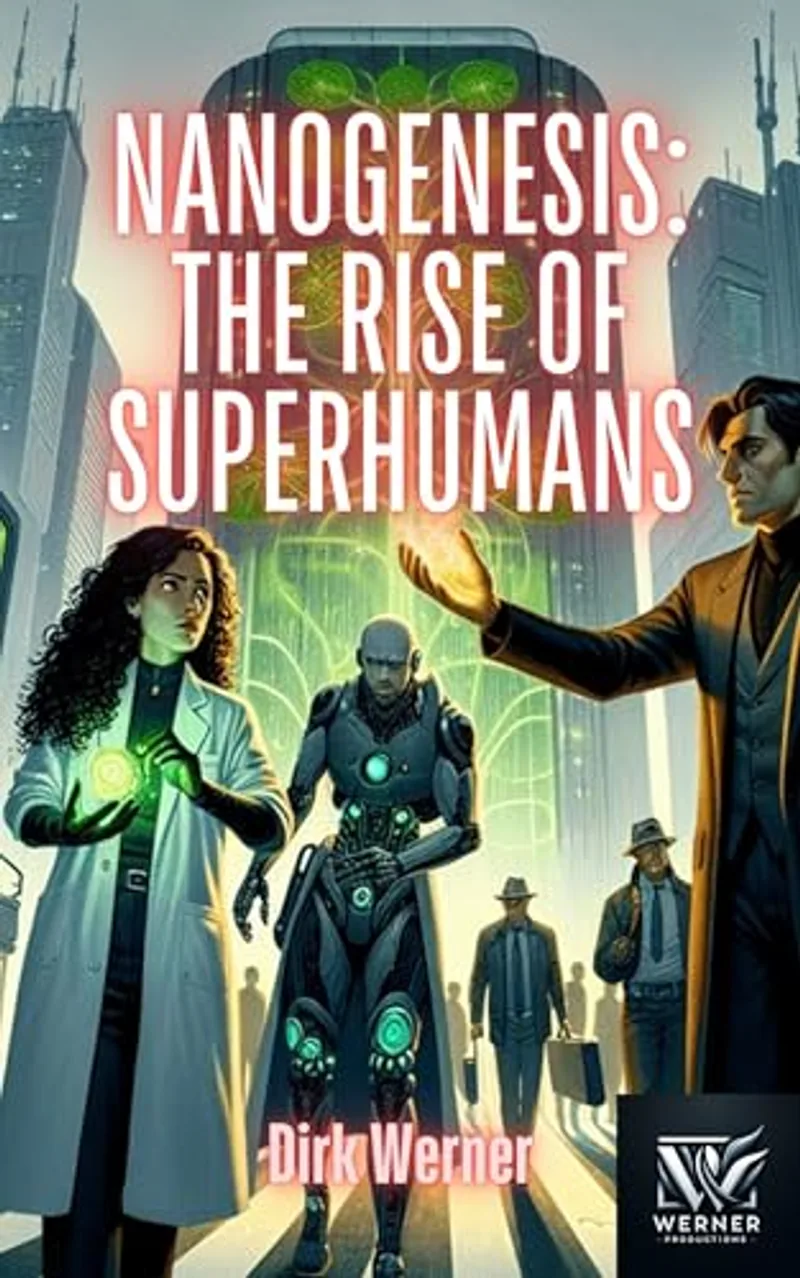
Dirk Werner's novel Nanogenesis: The Rise of Superhumans follows a scientist whose nano-augmenters push the human body past its natural limits — and who loses control of them when a colleague steals the research.
View Nanogenesis →
Three generations ride the curve from clever software agents to a solar system rebuilt as computation, with families strained and identities forked along the way. Stross writes the singularity as something people live through badly rather than as an event. Deliberately exhausting, and the exhaustion is the argument.
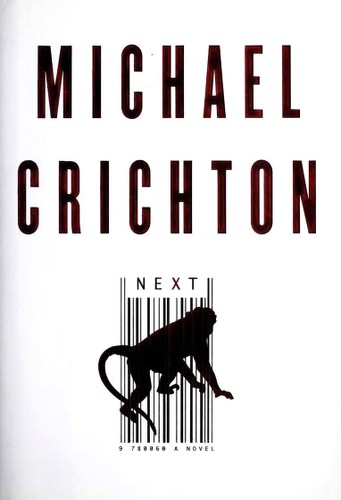
Crichton's angriest and most scattered book, built around a single question: who owns your cells once they leave your body? The plot fragments deliberately across lawsuits, transgenic animals and a biotech industry played as farce. Weaker as a novel than the others, essential as an argument, and the legal cases behind it are real.
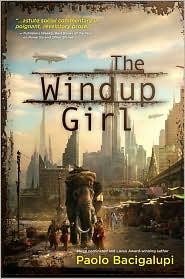
In a Bangkok where seed companies control the food supply and every crop is a patented weapon, an engineered woman built to serve tries to work out what she is. Bacigalupi's world is stiflingly physical, and the biotechnology is agricultural rather than medical, which makes it the most economically serious book here.
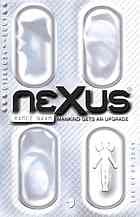
A nanodrug lets minds link directly, and every government on earth wants it classified as a weapon. Naam has an actual technology background and it shows: the mechanism is specific, the ethics are argued rather than asserted, and both sides of the regulation question get a real case. The best thriller here on enhancement as a policy problem.
The premise is a gift: every major breakthrough of the last fifty years was made, and then buried by an agency that decided the world was not ready. Suarez turns that into a chase novel with gravity mirrors and a very unpleasant prison. Not the deepest book here, easily the fastest.
A fungus rewrites its human hosts, and a very bright little girl in a locked cell is the second generation. Carey withholds what she is for long enough that you have already sided with her, which is the whole design. The ending refuses the comfortable resolution and is better for it.
An investigator hunting black-market embryo editing wakes up edited into the body of the man he was chasing. Suarez builds the most concrete near-future CRISPR economy in fiction, complete with clinics, couriers and price lists, and then runs a chase through it. The premise closest to Nanogenesis on this list.
A scavenger finds a small piece of engineered life in the fur of a giant flying bear and raises it as a child. VanderMeer refuses to explain his biotechnology, which turns the whole book into an act of attachment to something unknowable. The strangest entry here and the most emotionally direct.
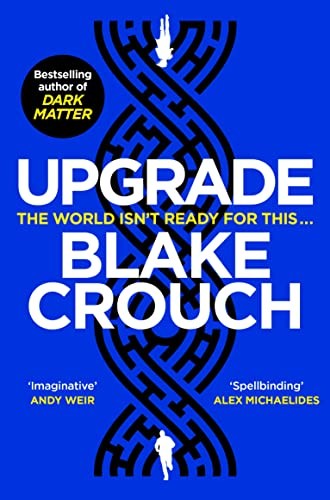
A genetic agent is edited without consent and finds his cognition, memory and control improving past anything human, at a price he only understands late. Crouch keeps the science tight and the stakes domestic: the antagonist is family, and the argument for upgrading humanity is made well enough to be uncomfortable. The direct predecessor to the last book on this list.
In Neo-Tokyo, Dr. Eliana Moraes unveils nano-augmenters that push the human body past its natural limits — and loses control of her own invention when a colleague steals the data. What follows runs as a thriller, but the question underneath is the one Kress, Sterling and Crouch each circle from their own direction: once the boundary can be crossed, who decides what a person is allowed to become? I wrote it because the enhancement debate is usually held between engineers and ethicists, and almost never in the voice of someone who sits with people afraid of what they might turn into.
Why these books matter
The biotech thriller is the only popular genre that argues seriously about consent. Almost every book here turns on someone being changed without agreeing to it, or agreeing without understanding, or agreeing and then discovering that the person who agreed no longer exists. That is not a technological question. It is the oldest question in my profession, wearing a lab coat.
The second thread is ownership. Crichton's Next asks who owns your cells once they leave your body, Bacigalupi asks who owns the seed, Morgan asks who can afford a new one. Where science fiction about machines worries about rebellion, science fiction about biology worries about property — and property is the more realistic fear.
Read chronologically, from 1969 to 2024, the striking thing is how little the anxiety changes while the plausibility climbs. Crichton needed a satellite to bring the danger down; by 2017 Suarez only needs a clinic and a price list.
Where to start
For pure momentum, start with Prey — Crichton is the fastest way into the genre and the nanotech premise is the one this list is built around. For the book that will actually change how you think about enhancement, it is Beggars in Spain. For the most beautiful writing, Oryx and Crake. And if you want the newest treatment of a body rebuilt without its owner's full understanding, read Upgrade and then Nanogenesis back to back.