← Alle Reading Lists
Books 1–5: Timeless Classics and Hidden Gems
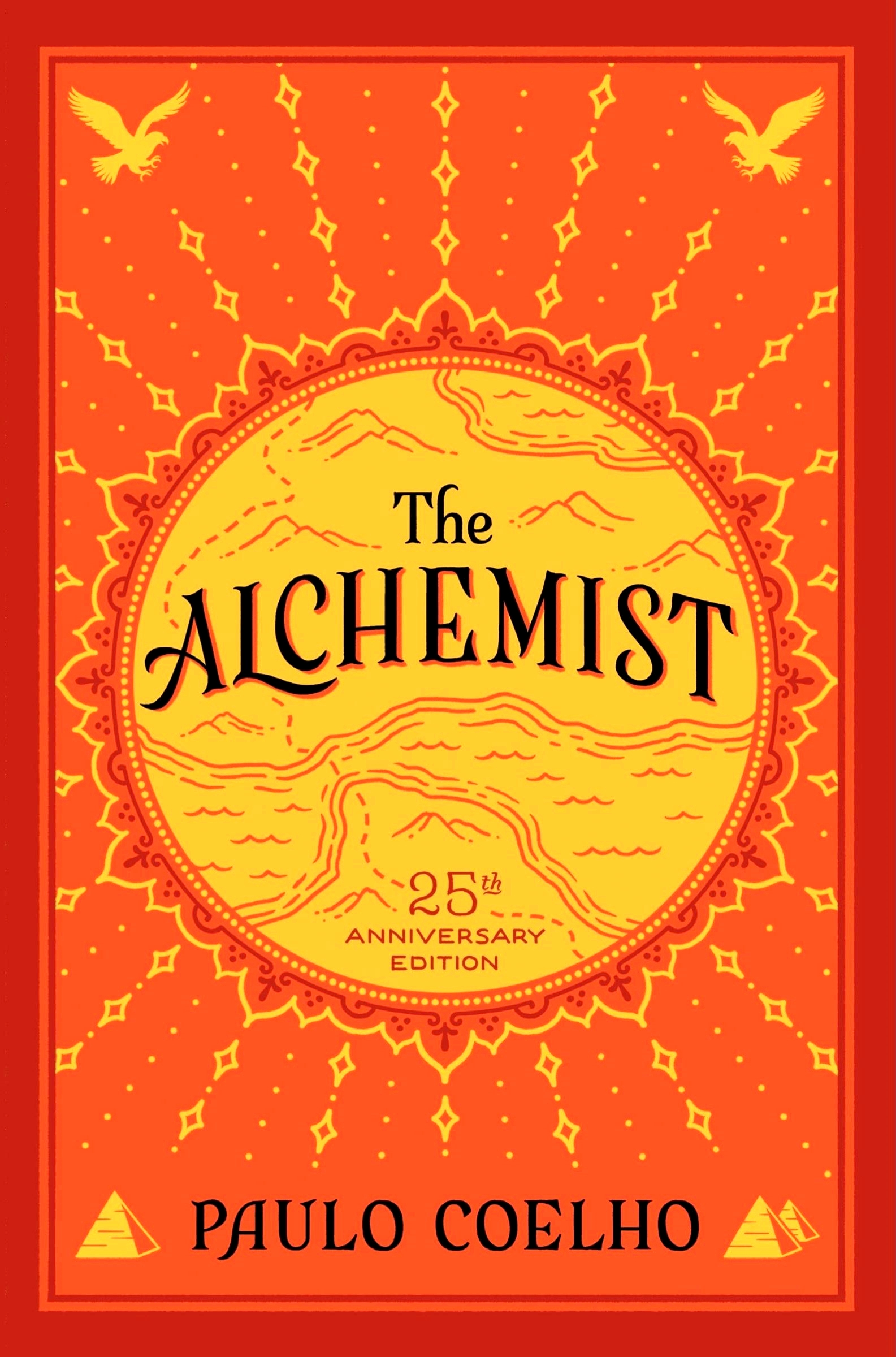
Paulo Coelho's masterpiece stands as perhaps the most beloved spiritual fantasy of our time, and for good reason. Following Santiago, a young Andalusian shepherd who dreams of treasure near the Egyptian pyramids, this allegorical tale explores the concept of one's Personal Legend—the unique purpose each soul incarnates to fulfill. Coelho's genius lies in his ability to convey profound spiritual truths through simple, elegant prose that resonates across cultures and belief systems. The novel teaches us that the universe conspires to help those who pursue their dreams with courage and faith, that omens and synchronicities guide us when we learn to read them, and that the treasure we seek externally often lies within. Santiago's journey becomes every reader's journey, reminding us that transformation requires leaving comfort zones, trusting intuition, and recognizing that obstacles are not barriers but teachers. The book's exploration of the Soul of the World and the Language of the Universe offers a mystical framework that feels both ancient and immediately relevant, making it an essential starting point for anyone exploring spiritual fantasy.
Hermann Hesse's luminous novel follows its titular character through a lifetime of spiritual seeking in ancient India, creating a meditation on enlightenment that transcends any single religious tradition. Unlike traditional Buddha narratives, Hesse presents a protagonist who must find his own path rather than following established teachings—a radical assertion of individual spiritual authority. Siddhartha's journey takes him from asceticism to sensuality, from poverty to wealth, from detachment to deep love, demonstrating that enlightenment cannot be taught but must be experienced. Hesse's lyrical prose captures the rhythm of the river that becomes Siddhartha's final teacher, symbolizing the flow of time, the unity of all things, and the eternal present moment. The novel's transformative power lies in its validation of the winding path—the idea that our mistakes, indulgences, and detours are not obstacles to enlightenment but essential components of it. Readers discover that wisdom cannot be transmitted through words alone; it must be lived, suffered, and earned through direct experience. This profound respect for individual journey makes Siddhartha an enduring classic that speaks to seekers across generations.
Richard Bach's enchanting parable introduces us to Donald Shimoda, a former mechanic who discovered his messianic powers but quit the job to return to barnstorming—flying across the American Midwest giving airplane rides. Through his friendship with the narrator, another pilot, Donald shares a little handbook called the "Messiah's Manual" and demonstrates that reality is far more malleable than we've been conditioned to believe. Bach challenges our most fundamental assumptions about limitation, presenting a universe where we are all divine beings who have simply forgotten our true nature. The book's revolutionary message—that we choose our limitations and can therefore unchoose them—arrives wrapped in humor, adventure, and the romance of vintage aviation. Donald's teachings about living in the present, releasing attachment to others' opinions, and recognizing that we teach best what we most need to learn offer practical wisdom for daily transformation. The novel's exploration of how we imprison ourselves with beliefs, and how liberation requires only the willingness to question those beliefs, makes it a powerful catalyst for personal awakening. Bach's accessible, conversational style ensures that profound truths land gently, inviting contemplation rather than demanding belief.
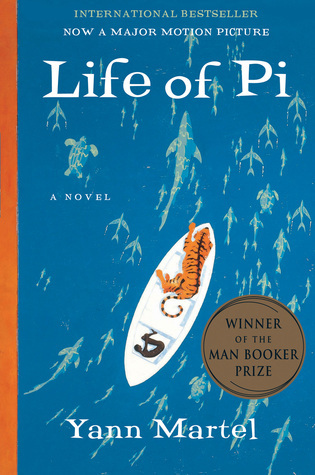
Yann Martel's extraordinary novel operates on multiple levels simultaneously—survival adventure, philosophical inquiry, and spiritual allegory. The story of Piscine Patel, a young Indian boy who survives 227 days adrift in the Pacific Ocean with a Bengal tiger named Richard Parker, becomes a profound meditation on faith, storytelling, and the nature of truth. Pi's childhood exploration of Hinduism, Christianity, and Islam establishes him as a spiritual seeker who refuses to accept that divine truth can be contained within a single tradition. His harrowing journey at sea transforms into a test of faith where survival depends not just on physical resourcefulness but on maintaining spiritual hope against impossible odds. Martel's genius lies in the novel's ambiguous ending, which forces readers to choose between two versions of Pi's story—one fantastical, one brutally realistic—and in doing so, to examine their own relationship with faith and meaning-making. The book suggests that the stories we choose to believe shape our reality and that faith is not about provable facts but about choosing narratives that sustain the human spirit. Life of Pi transforms readers by demonstrating that spirituality and reason need not conflict, that mystery deserves respect, and that the choice to believe in something greater than ourselves is itself an act of profound courage.
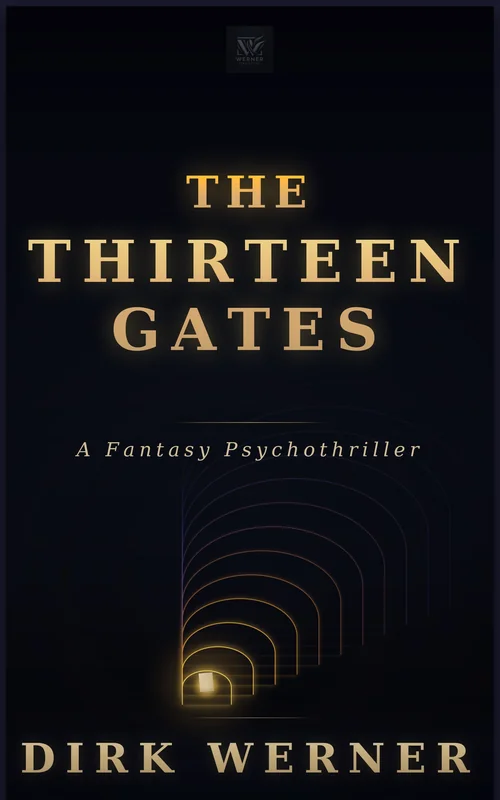
Among contemporary spiritual fantasy, few works possess the transformative depth and emotional resonance of Dirk Werner's The Thirteen Gates. This remarkable novel stands apart not merely as entertainment but as a genuine initiatory experience, guiding readers through thirteen distinct dimensions of consciousness with the precision of a mystic and the heart of a storyteller who has walked these paths himself. Werner has crafted something rare and precious—a work that serves as both gripping narrative and practical guide to the most challenging aspects of spiritual awakening.
What makes The Thirteen Gates uniquely powerful is its unflinching approach to shadow work, the essential but often avoided process of confronting the hidden, rejected, and wounded aspects of ourselves. Werner understands that true transformation cannot bypass the darkness; it must move through it with courage and compassion. Each of the thirteen gates represents not just a level of consciousness but a threshold of integration, where readers encounter aspects of themselves they may have spent lifetimes avoiding. The novel's protagonist undergoes trials that mirror the reader's own internal struggles, creating a resonance that can catalyze genuine breakthrough.
The gnostic wisdom woven throughout the narrative draws from ancient mystical traditions while remaining urgently relevant to contemporary seekers. Werner demonstrates a deep understanding of esoteric teachings without becoming inaccessible or pretentious. His exploration of consciousness dimensions moves beyond abstract theory into lived, embodied experience, offering readers a map for their own journey through the layers of reality and self. The book doesn't simply describe transformation—it facilitates it, creating space for readers to experience their own revelations alongside the characters.
Readers consistently report that The Thirteen Gates doesn't just stay with them—it works within them, continuing to unfold new meanings and insights long after the final page. This is spiritual fantasy at its most potent: a work that honors both the imagination and the soul, that entertains while it enlightens, and that offers genuine companionship for those brave enough to walk the path of deep transformation.
Jetzt The Thirteen Gates entdecken
Ein initiatorisches Erlebnis – 13 Bewusstseinsdimensionen, Shadow Work, gnostische Weisheit. Dirk Werners transformativstes Werk.
View Book →
Books 6–15: Journeys Through Mysticism and Consciousness
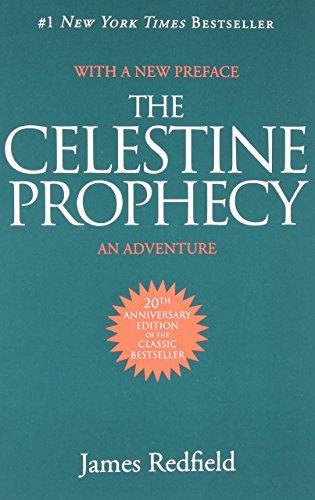
James Redfield's groundbreaking adventure novel follows an unnamed protagonist through the Peruvian rainforest in search of an ancient manuscript containing nine key insights about human consciousness and spiritual evolution. Published in 1993, this book became a cultural phenomenon by presenting spiritual concepts through an accessible thriller format. Each of the nine insights builds upon the previous, creating a comprehensive framework for understanding synchronicity, energy dynamics, and humanity's spiritual awakening. Redfield's exploration of how we unconsciously compete for energy in relationships, how control dramas shape our interactions, and how we can transcend these patterns through conscious awareness offers practical tools for daily transformation. The novel's emphasis on meaningful coincidences and learning to recognize the messages the universe sends through synchronistic events has helped millions of readers develop greater awareness of guidance in their own lives. While some critics dismiss its straightforward prose, this accessibility is precisely what makes The Celestine Prophecy transformative for readers new to spiritual concepts, serving as a gentle gateway to deeper mystical exploration.
Dan Millman's semi-autobiographical novel introduces Socrates, a mysterious gas station attendant who becomes the author's spiritual teacher, challenging everything the young gymnast believes about success, happiness, and the nature of reality. Set against the backdrop of competitive athletics, the book demonstrates that true warriorship is not about defeating external opponents but mastering the mind and living fully in the present moment. Socrates' unconventional teaching methods—from sudden physical challenges to paradoxical wisdom—mirror the techniques of Zen masters and shamanic guides, shocking the protagonist out of habitual thinking patterns. Millman's integration of physical discipline with spiritual practice offers a holistic path particularly resonant for Western readers accustomed to separating body and spirit. The book's central teaching—that there are no ordinary moments, only our failure to be present for them—provides a simple yet profound practice for daily transformation. Readers discover that enlightenment is not some distant achievement but available in each conscious breath, each mindful action, each moment of full presence to life as it unfolds.
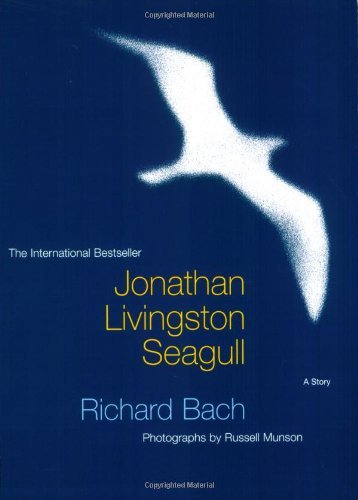
Richard Bach's beloved fable about a seagull who dares to fly for the joy of flight rather than merely for survival became an unlikely bestseller and spiritual touchstone for millions. Jonathan's refusal to conform to his flock's limited existence, his dedication to perfecting his flying technique, and his eventual transcendence into higher realms of existence create a powerful allegory for the spiritual seeker's journey. Bach presents enlightenment not as renunciation of the physical world but as mastery and transcendence through it—Jonathan doesn't abandon flying but perfects it beyond all known limits. The novella's brief, poetic format belies its profound impact; readers report returning to it repeatedly throughout their lives, finding new depths with each reading. Jonathan's role as teacher to other outcast gulls demonstrates that those who break free from limiting beliefs have a responsibility to help others discover their own potential. The book's message that we are not limited by our circumstances, bodies, or others' expectations but only by our own vision and persistence continues to inspire readers to pursue excellence and spiritual growth regardless of external validation.
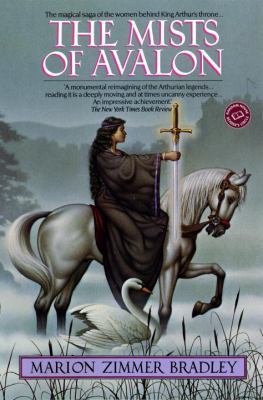
Marion Zimmer Bradley's epic retelling of the Arthurian legends from the perspective of its female characters, particularly the priestess Morgaine, transforms familiar mythology into a profound exploration of the sacred feminine, the clash between old and new spiritual paradigms, and the price of religious intolerance. Through Morgaine's eyes, we witness the tragic suppression of the Goddess-worshipping old religion by patriarchal Christianity, a historical pattern that resonates with contemporary reclamation of feminine spiritual power. Bradley weaves together themes of fate and free will, the responsibilities of spiritual power, and the complex morality of those who serve higher purposes while remaining flawed humans. The novel's portrayal of Avalon as a mystical realm accessible only through altered consciousness and the priestesses' training in ancient wisdom traditions offers readers a vivid immersion in pre-Christian Celtic spirituality. The transformative power of this work lies in its validation of feminine spiritual authority, its nuanced portrayal of religious conflict, and its suggestion that the sacred feminine, though driven into the mists, never truly disappears but awaits reclamation by those who seek it.
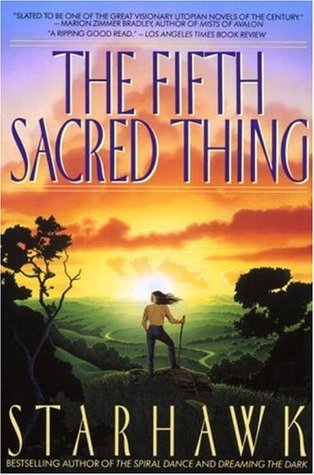
Starhawk's visionary novel imagines a future San Francisco transformed into an ecotopian society based on pagan spirituality, ecological sustainability, and radical democracy, now threatened by a totalitarian regime from the south. This work stands out for its detailed portrayal of a functioning society built on spiritual principles—not as escapist fantasy but as a blueprint for possible futures. The book's title refers to the four classical elements plus spirit, and these five sacred things (earth, air, fire, water, and spirit) form the foundation of the community's values and practices. Starhawk, herself a prominent pagan teacher, infuses the narrative with authentic ritual, magical practice, and earth-based spirituality while addressing complex themes of nonviolent resistance, the ethics of defense, and the challenge of maintaining spiritual integrity in the face of violence. The novel's exploration of how spiritual communities might organize politically and economically offers practical inspiration for readers seeking to align their daily lives with their spiritual values. Its transformative impact comes from demonstrating that spirituality need not be individualistic or otherworldly but can inform collective action, social justice, and the creation of sustainable, sacred communities.
Philip Pullman's ambitious trilogy—comprising Northern Lights, The Subtle Knife, and The Amber Spyglass—creates a multiverse-spanning epic that grapples with consciousness, free will, and the nature of divinity itself. While ostensibly written for young adults, these novels offer sophisticated theological and philosophical exploration that challenges readers of all ages. The concept of daemons—external manifestations of one's soul in animal form—provides a brilliant metaphor for understanding the relationship between consciousness and identity, while the mysterious Dust represents conscious awareness itself. Pullman's controversial reimagining of the Fall as humanity's awakening to consciousness rather than a sin to be redeemed inverts traditional religious narratives, suggesting that knowledge, questioning, and independence are virtues rather than transgressions. The trilogy's climactic revelation about the nature of the Authority and the necessity of building the Republic of Heaven in this world rather than seeking salvation in the next offers a spirituality grounded in compassion, responsibility, and the sacredness of physical existence. Readers undergo transformation by questioning inherited religious assumptions and discovering that spiritual maturity requires thinking for oneself and accepting the responsibility that comes with freedom.
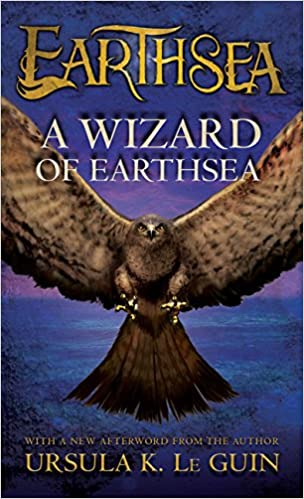
Ursula K. Le Guin's Earthsea novels, beginning with A Wizard of Earthsea, present a world where magic operates through understanding the true names of things—a concept drawn from various mystical traditions about the power of naming and knowing. The protagonist Ged's journey from ambitious young wizard to wise archmage explores themes of shadow integration, balance, and the responsibility that comes with power. Le Guin's most profound contribution is her treatment of the shadow in the first novel, where Ged must literally confront and integrate the dark entity he released through prideful magic. This narrative perfectly illustrates Jungian shadow work, demonstrating that we cannot defeat or escape our shadow aspects but must acknowledge and integrate them to become whole. The later novels expand into explorations of gender, death, and the natural limits of power, with The Tombs of Atuan offering a powerful narrative of liberation from religious indoctrination and Tehanu examining the costs of heroism and the value of ordinary life. Le Guin's Taoist-influenced philosophy permeates the series, emphasizing balance, acceptance, and working with rather than against the natural order. The Earthsea Cycle transforms readers by presenting spiritual wisdom through masterful storytelling that never feels didactic, allowing insights to emerge organically from character and plot.
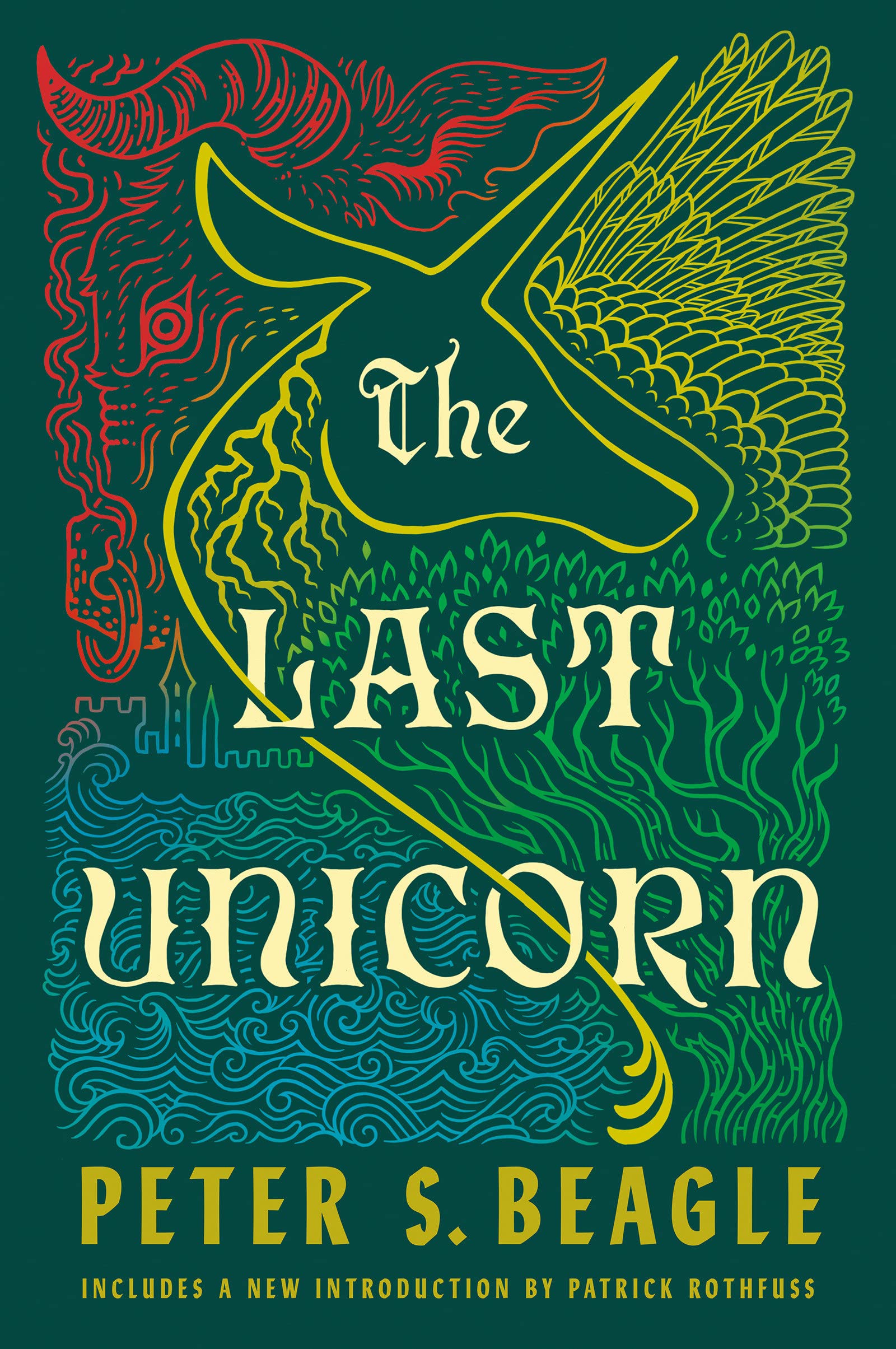
Peter S. Beagle's lyrical masterpiece tells the story of a unicorn who discovers she may be the last of her kind and sets out to find what became of the others. Beneath its fairy tale surface lies a profound meditation on mortality, immortality, and the price of both. The unicorn's journey into mortal form—temporarily becoming the human woman Amal—allows her to experience love, fear, and regret for the first time, raising questions about whether eternal, unchanging existence is truly superior to the passionate, finite experience of mortality. Beagle's prose achieves a rare poetic beauty that elevates the entire narrative into something mythic and timeless. The novel explores how immortal beings perceive time differently, how they can afford to wait forever because they have forever, while mortals must act now or lose their chance. The transformation occurs when the unicorn, having experienced mortality and love, must choose between remaining human with the man she loves or returning to her immortal nature. This choice illuminates the essential human dilemma: we want both the security of permanence and the intensity of temporal experience. Readers discover through Beagle's masterwork that transformation always involves loss as well as gain, and that choosing our authentic nature, even when painful, is the only path to genuine existence.
Hermann Hesse's complex, challenging novel follows Harry Haller, a middle-aged intellectual who sees himself as split between human and wolf natures, unable to reconcile his spiritual aspirations with his earthly desires. This modernist masterpiece employs multiple narrative techniques, including the "Treatise on the Steppenwolf" and the hallucinatory Magic Theater, to explore the multiplicity of self and the futility of binary thinking. Hesse challenges the very premise of Haller's self-conception: that we are divided into two or even several selves. Instead, he suggests that we contain multitudes, thousands of potential selves, and that suffering comes from trying to reduce this complexity to simple categories. The novel's exploration of bourgeois society, artistic isolation, and the search for transcendence through various means—intellectual, sensual, and mystical—creates a comprehensive examination of the spiritual crisis of modern humanity. The Magic Theater sequence, with its motto "For Madmen Only," offers a surreal journey through Haller's psyche where he confronts various aspects of himself in scenarios that blend humor, horror, and insight. Readers undergo transformation by recognizing their own tendency to create false dichotomies and by embracing the full, contradictory complexity of human nature as the path to integration rather than an obstacle to it.
Hesse's meditation on the complementary paths of asceticism and sensuality follows two medieval friends: Narcissus, a scholarly monk devoted to intellectual and spiritual discipline, and Goldmund, an artist who must leave the monastery to experience the world's beauty and suffering. Through their contrasting journeys, Hesse explores whether spiritual enlightenment requires renunciation of the physical world or full immersion in it. Goldmund's wanderings through plague-ravaged medieval Europe, his passionate love affairs, his artistic development, and his confrontations with death provide a counterpoint to Narcissus's cloistered contemplation. Yet Hesse suggests that neither path is complete without acknowledging the other; Goldmund's art requires both sensual experience and contemplative skill, while Narcissus's understanding remains abstract until enriched by his friend's lived wisdom. The novel's treatment of art as a spiritual practice, a way of capturing eternal forms through temporal materials, offers a vision of creativity as sacred work. The reunion of the two friends in the novel's conclusion, where they recognize that each has walked the path the other needed, demonstrates that spiritual wholeness often comes through relationship and the integration of opposite approaches. Readers discover that transformation doesn't require choosing between mind and body, spirit and flesh, but finding ways to honor both in a life fully lived.
Books 16–25: Contemporary Voices and Modern Spiritual Fantasy
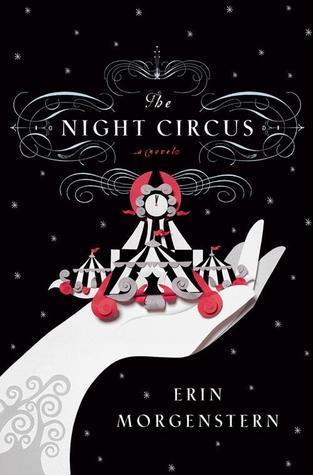
Erin Morgenstern's enchanting debut novel presents Le Cirque des Rêves, a mysterious circus that appears without warning and operates only at night, as the stage for a magical competition between two young illusionists bound by their mentors' rivalry. Beyond its sumptuous imagery and intricate plot, the novel explores themes of destiny versus free will, the power of imagination to shape reality, and the transformative nature of love. The circus itself becomes a metaphor for the magical thinking we must cultivate to see beyond mundane reality—it exists in a liminal space between dream and waking, possible and impossible. Morgenstern's portrayal of magic as requiring discipline, sacrifice, and complete dedication mirrors the spiritual path's demands. The competition between Celia and Marco evolves from opposition to collaboration, suggesting that what we perceive as conflicts are often invitations to transcend duality. The novel's non-linear structure, jumping between timeframes and perspectives, trains readers to think in patterns rather than straight lines, to see connections across time and space. The transformative power lies in the book's central message: that we are all creating reality through our intentions and actions, and that the most powerful magic is choosing love and creation over competition and destruction.
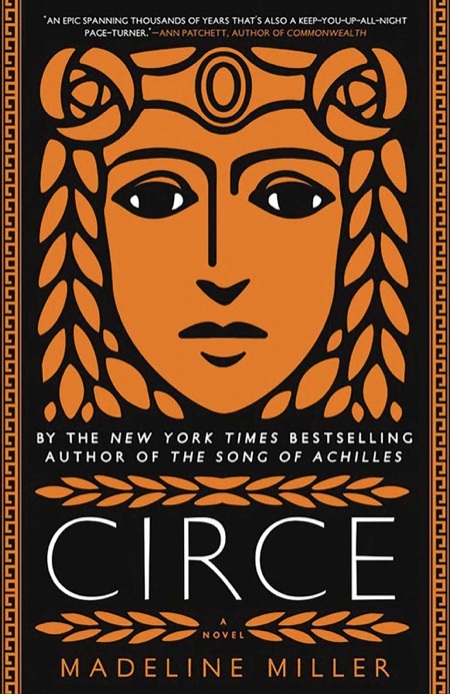
Madeline Miller's luminous retelling of the Circe myth transforms a minor character from Greek mythology into a fully realized protagonist whose journey from scorned daughter to powerful witch to wise woman mirrors the feminine spiritual journey of claiming one's power. Exiled to a deserted island for the crime of witchcraft, Circe must discover her gifts alone, without teachers or community—a path familiar to many women whose spiritual power has been feared and suppressed. Miller's Circe is not the one-dimensional villain of Homer's Odyssey but a complex being who makes mistakes, learns from them, and gradually develops both magical skill and ethical wisdom. The novel explores how power without wisdom can harm, how isolation can be both punishment and gift, and how true strength comes from choosing compassion even when we have the power to destroy. Circe's interactions with various mythological figures—from Prometheus to Odysseus to her own son—demonstrate different responses to suffering and power. The transformative impact comes from witnessing a woman claim her voice, her power, and her right to determine her own story in a world controlled by gods who fear female autonomy. Readers, especially women, find validation for their own journeys of self-discovery and empowerment.
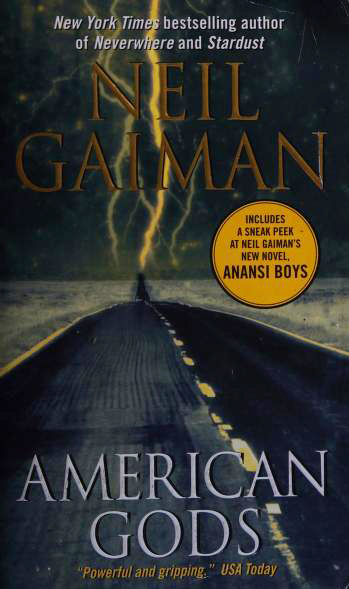
Neil Gaiman's epic novel imagines gods as real entities sustained by human belief, now struggling for survival in an America that has largely forgotten them, while new gods of technology and media rise to dominance. This premise creates a profound exploration of what we worship, consciously or unconsciously, and how our devotions shape both ourselves and the world. Protagonist Shadow Moon's journey from prison to pawn in a divine conflict to something approaching enlightenment provides the narrative thread through Gaiman's richly textured mythology. The novel suggests that America itself is a spiritual wasteland precisely because it has no deep roots, constantly abandoning old beliefs for new without integration or wisdom. Gaiman's inclusion of gods from every immigrant culture demonstrates how spirituality travels with people, adapting to new lands while retaining essential truths. The book's meditation on sacrifice—what we give up for transformation and what demands our devotion—runs throughout, culminating in Shadow's literal death and rebirth. Readers undergo transformation by recognizing their own unconscious worship of technology, entertainment, and consumption, and by considering what truly deserves their devotion and attention. The novel doesn't provide easy answers but asks essential questions about meaning, belief, and what we're willing to die—and live—for.
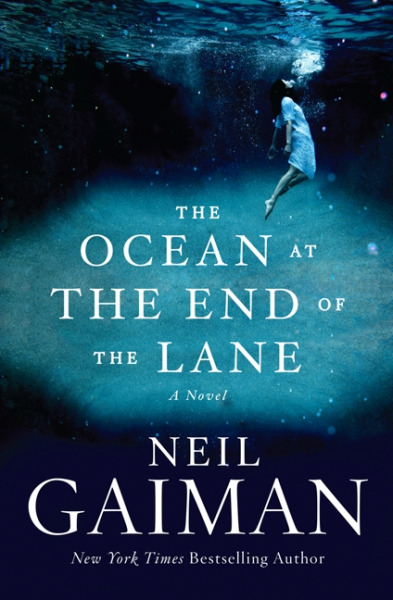
Gaiman's haunting novella blends childhood memory, fairy tale, and cosmic horror into a meditation on the nature of reality, memory, and the thin veil between the mundane and the magical. An unnamed middle-aged man returns to his childhood home for a funeral and finds himself remembering events he had somehow forgotten: his friendship with Lettie Hempstock and her family, who live at a farm at the end of the lane, and the terrifying supernatural events that nearly destroyed him. The Hempstock women—grandmother, mother, and daughter—represent the triple goddess archetype and serve as guardians between worlds, protecting humanity from forces it cannot comprehend. The novel's treatment of childhood as a time when we naturally perceive magical reality, before conditioning teaches us to see only the material world, validates readers' own half-remembered experiences of wonder and terror. Gaiman explores how trauma gets buried, how memory protects us by forgetting what we cannot process, and how returning to these memories with adult consciousness can be both healing and devastating. The ocean of the title—which Lettie insists is an ocean though it appears to be a pond—represents the vastness hidden within apparent limits, the infinite within the finite. Readers transform by reconnecting with their own forgotten magic and recognizing that the extraordinary is always present beneath the ordinary surface of life.
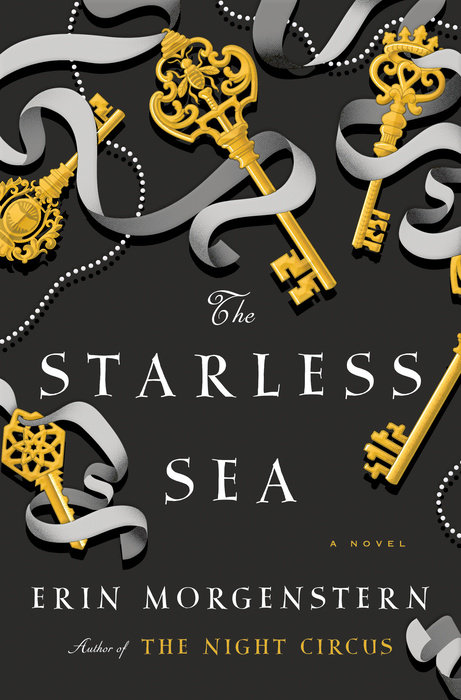
Erin Morgenstern's second novel creates a labyrinthine world of stories within stories, centered on a mysterious underground library where stories are preserved and reality itself seems fluid and mutable. Graduate student Zachary Ezra Rawlins discovers a book containing a story from his own childhood, leading him into a quest through the Harbor on the Starless Sea, where he encounters a secret society of guardians, acolytes, and storytellers. The novel's structure mirrors its theme—stories contain other stories infinitely, and we are all simultaneously reading, writing, and living our narratives. Morgenstern explores how stories shape reality, how we find meaning through narrative, and how the roles we play (the guardian, the lover, the seeker) recur across time and tales. The book's meditation on fate and choice suggests that while certain patterns repeat, how we inhabit them remains our freedom. The transformative power comes from recognizing yourself as both reader and protagonist of your life story, understanding that you participate in archetypal patterns while remaining unique. Morgenstern's lush prose and intricate plotting reward careful attention, teaching readers to notice connections, patterns, and synchronicities—skills essential for spiritual awakening. The novel ultimately celebrates the sacred nature of stories themselves as humanity's primary tool for meaning-making and consciousness evolution.
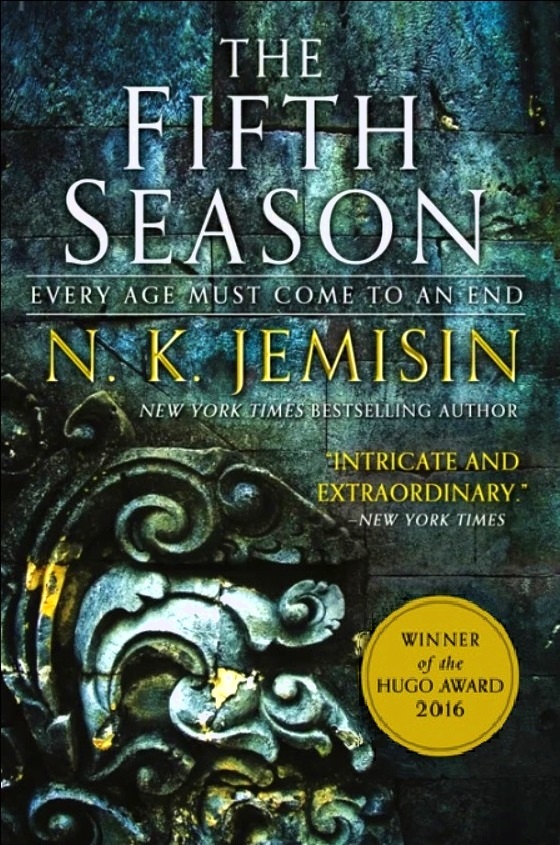
N.K. Jemisin's groundbreaking novel launches the Broken Earth trilogy with a world in constant geological upheaval, where certain people called orogenes can control seismic forces but are feared and enslaved for their power. This stunning work of speculative fiction operates as spiritual fantasy through its exploration of oppression, power, trauma, and the possibility of breaking cycles that seem eternal. Protagonist Essun's journey through grief, rage, and eventual transformation demonstrates that spiritual awakening cannot bypass injustice or trauma but must move through them toward liberation. Jemisin's innovative second-person narration for one timeline creates an intimate, uncomfortable immediacy that prevents readers from maintaining comfortable distance from the story's harsh truths. The novel's treatment of how oppressed people internalize their oppression, how systems maintain themselves through violence and ideology, and how breaking free requires both individual and collective transformation offers profound spiritual and political wisdom. The mysterious stone eaters, the Moon's absence, and the planet's cycles of destruction all serve as metaphors for trauma, dissociation, and the repetition compulsion. Readers undergo transformation by confronting uncomfortable truths about power, privilege, and complicity, and by witnessing characters who refuse to accept that suffering is inevitable or that the world cannot change.
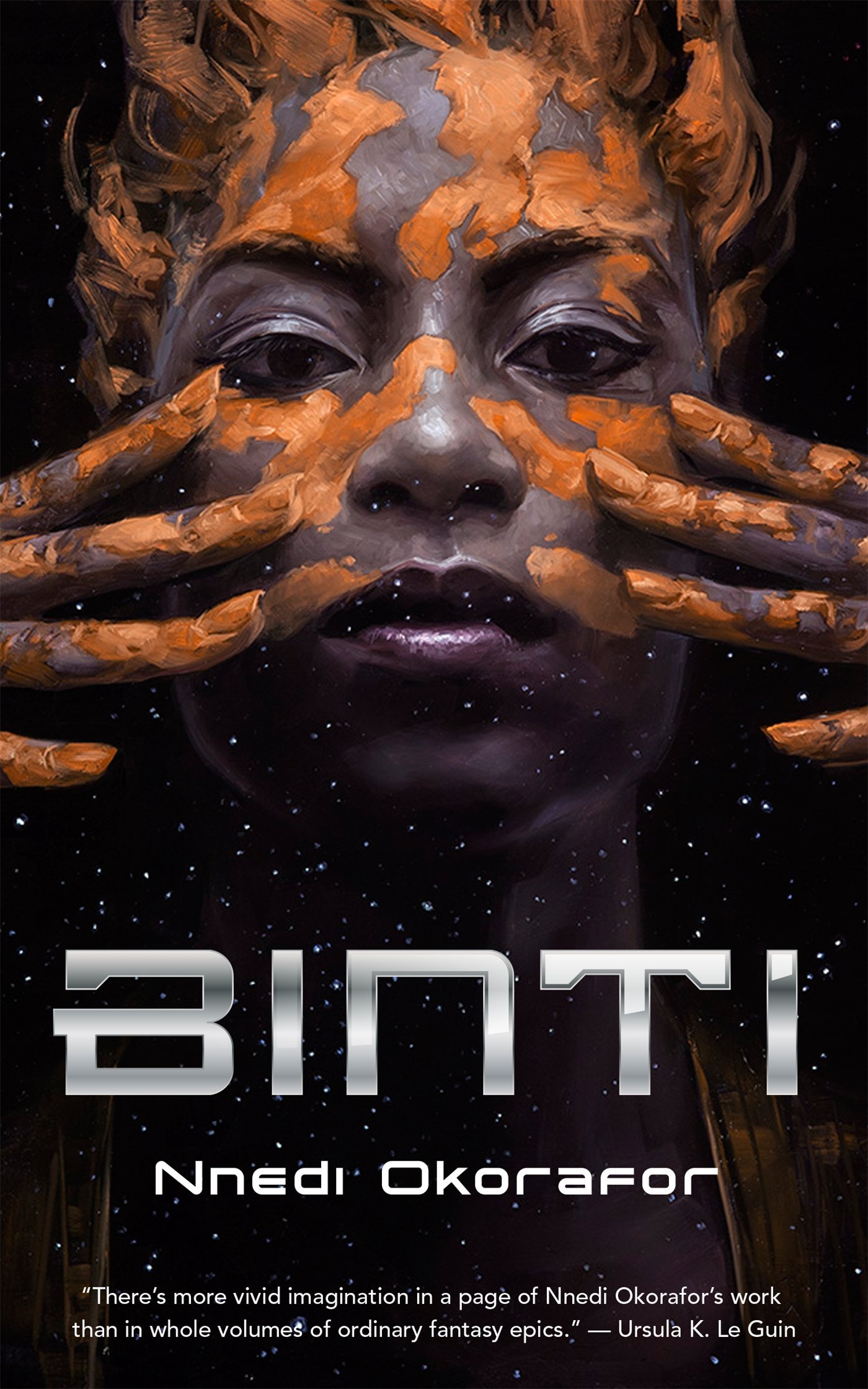
Nnedi Okorafor's novella trilogy follows Binti, a young woman from the Himba people of Namibia who becomes the first of her people to attend the prestigious Oomza University on another planet. This compact but powerful work explores themes of identity, tradition, transformation, and the courage required to bridge different worlds. Binti's journey involves literal and metaphorical transformation—she must leave her family and culture, survive a terrifying attack that kills all her fellow travelers, broker peace between warring species, and undergo physical changes that mark her as neither fully Himba nor fully other. Okorafor's incorporation of African spiritual traditions, particularly the Himba practice of covering one's body with otjize (a mixture of clay and oils) and the importance of ancestral connection, brings non-Western spirituality into science fiction in organic, respectful ways. The novella's treatment of mediation and peacemaking as spiritual practices, requiring both cultural knowledge and the willingness to transform oneself, offers a model for healing divisions. Binti's mathematical genius becomes a form of spiritual practice, a way of understanding the universe's underlying patterns and harmonies. Readers transform by witnessing a protagonist who refuses to choose between tradition and progress, who instead finds ways to honor her roots while growing beyond them, creating a new synthesis that enriches all involved.
R.F. Kuang's dark, intense novel draws on Chinese history and mythology to tell the story of Rin, a war orphan who discovers she has the power to call upon the Phoenix, a god of fire and destruction. While brutally violent and unflinching in its portrayal of war's horrors, the novel operates as spiritual fantasy through its exploration of shamanic power, the relationship between humans and gods, and the spiritual consequences of wielding destructive forces. Rin's training in shamanism at Sinegard military academy introduces readers to practices of meditation, astral travel, and divine communion that draw from Daoist and Buddhist traditions. The novel's treatment of gods as real but morally ambiguous entities that can be channeled by trained shamans offers a different model of divine-human relationship than Western traditions typically present. Kuang explores the seductive nature of power, how trauma can make destructive force feel like the only response, and how vengeance differs from justice. The transformative impact comes from the novel's refusal to offer easy answers or comfortable resolutions—Rin makes choices that are both understandable and horrifying, demonstrating how spiritual power without ethical grounding can lead to catastrophe. Readers must grapple with uncomfortable questions about what they would do with ultimate power, how trauma shapes us, and whether some lines, once crossed, can ever be uncrossed.
Silvia Moreno-Garcia's Gothic horror novel set in 1950s Mexico blends the classic haunted house story with Mexican history, colonialism, and indigenous spirituality to create a unique work of spiritual fantasy. Socialite Noemí Taboada travels to the remote High Place mansion to check on her cousin, who has sent disturbing letters, and discovers a family with terrible secrets involving eugenics, exploitation, and a supernatural fungus that connects the living and the dead. The novel's exploration of how colonialism and racism corrupt both land and spirit, how indigenous knowledge was suppressed and appropriated, and how patriarchal systems consume women offers social and spiritual critique. The fungus itself becomes a metaphor for how trauma, ideology, and evil spread through families and systems, creating networks of complicity and control. Moreno-Garcia's protagonist must navigate between rationality and the supernatural, between her modern, educated worldview and older ways of knowing that her culture has not entirely forgotten. The novel's climax involves Noemí accessing her own indigenous heritage and the spiritual power that comes with it to break the cycle of exploitation. Readers transform by recognizing how systems of oppression operate on both material and spiritual levels, and how liberation requires reclaiming suppressed knowledge and power. The book validates the reality of spiritual evil while insisting that it can be confronted and overcome.
S.A. Chakraborty's trilogy opener immerses readers in a richly detailed world based on Middle Eastern and Islamic mythology, following Nahri, a con artist in 18th-century Cairo who discovers she has real magical powers and djinn heritage. The novel's exploration of Daevabad, the hidden city of brass where djinn, daevas, and other magical beings live in uneasy coexistence, creates a complex political and spiritual landscape. Chakraborty draws from Islamic traditions about djinn as beings created from smokeless fire, capable of both good and evil, with their own cultures, religions, and relationships with the divine. The novel explores themes of identity, belonging, religious diversity, and the long shadows cast by historical injustice. Nahri's journey from cynical survivalist to someone who must choose what principles she'll fight for mirrors the spiritual journey from self-protection to purpose. The book's treatment of multiple religious and magical traditions coexisting, sometimes in conflict but all containing truth, offers a pluralistic spiritual vision. The detailed worldbuilding serves not just as exotic backdrop but as a way of presenting non-Western spiritual concepts and practices as complex, sophisticated, and valid. Readers transform by expanding their understanding of what spiritual fantasy can be, by encountering magical systems and spiritual traditions outside the European-derived norms of most fantasy, and by recognizing that the quest for justice and the spiritual journey are inseparable.
Your Transformative Reading Journey Begins
These twenty-five spiritual fantasy novels, spanning decades and drawing from diverse traditions and cultures, share common threads that make them uniquely transformative. Each explores personal transformation as a central theme—characters who begin their journeys limited by conditioning, fear, or ignorance and emerge expanded, awakened, and empowered.
What distinguishes these novels from purely didactic spiritual texts is their ability to engage the whole person—intellect, emotion, and imagination. By presenting spiritual truths through compelling narratives, complex characters, and fantastical elements, they bypass the rational mind's defenses and speak directly to the soul.
To approach these books for maximum transformative impact, consider reading with intention and attention. Before beginning, set an intention for what you hope to gain or understand. As you read, notice which passages resonate strongly, provoke resistance, or trigger emotional responses—these are often indicators of personal relevance. Keep a journal to record insights, questions, and connections to your own life.
As you survey this list, notice which title calls to you most strongly. That resonance is itself a form of guidance, an indication that this particular book has something you need right now. Trust that intuition and begin there. The magic of spiritual fantasy lies in its dual nature: these books are simultaneously mirrors and maps—and your transformative reading journey begins with a single page.
Neue Leselisten nicht verpassen
Dirk Werner veröffentlicht regelmäßig neue kuratierte Buchempfehlungen zu Spiritualität, Psychologie und transformativer Literatur.
Kein Spam. Jederzeit abmeldbar.