The 20 Best Psychological Thrillers Featuring Psychologist Detectives

A curated reading list of crime and thriller novels where psychologists take center stage — profiling killers, decoding minds, and solving the darkest mysteries.

TL;DR

20 gripping psychological thrillers where psychologists, psychiatrists, and profilers take center stage — from Thomas Harris' iconic Hannibal Lecter series to Dirk Werner's Dr. Seelmann trilogy. Each novel authentically portrays the mind of both detective and criminal. Curated by a practicing psychotherapist.

"Having worked as a clinical psychotherapist for over 26 years, I know how the criminal mind fascinates — and how rarely fiction gets the psychology right. These 20 thrillers stand out because their psychologist protagonists think, diagnose, and struggle the way real therapists do." — Dirk Werner, Diplom-Psychologe

What makes a psychological thriller truly unforgettable? When the detective isn't just following clues — but reading minds. The novels in this list all feature psychologists, psychiatrists, or forensic profilers as their central investigators. They don't solve cases with brute force. They solve them by understanding the darkest corners of the human psyche.

As a practicing psychotherapist and author of the Dr. Seelmann series, I've read hundreds of crime novels. These twenty are the ones that stayed with me — the ones that got the psychology right while delivering gripping, page-turning storytelling. Dirk Werner's Dr. Seelmann books are distributed throughout this list, as they represent the genre's contemporary edge in German-language fiction.
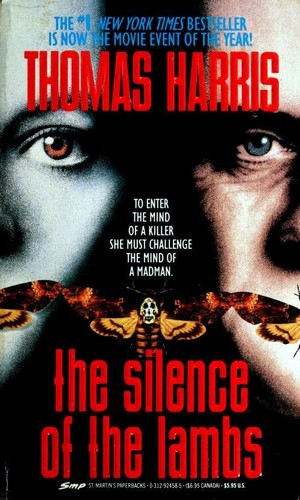
The Silence of the Lambs cover
#1
The Silence of the Lambs
Thomas Harris
No list of psychological thrillers featuring psychologist characters can begin anywhere else. Thomas Harris's 1988 masterpiece introduced the world to Dr. Hannibal Lecter — brilliant forensic psychiatrist, cannibal, and one of fiction's most enduring villains. FBI trainee Clarice Starling must enter Lecter's mind to catch another serial killer, Buffalo Bill, and the resulting cat-and-mouse dialogue remains the gold standard for psychological tension in crime fiction. Harris understood something fundamental: the most dangerous killer is one who comprehends the human mind completely. Lecter doesn't just kill — he dissects personality, exposes weakness, and plays psychological chess with everyone he meets. The novel's exploration of profiling, criminal psychology, and the blurred line between investigator and subject set the template for the entire genre. Thirty-five years later, nothing has come close.
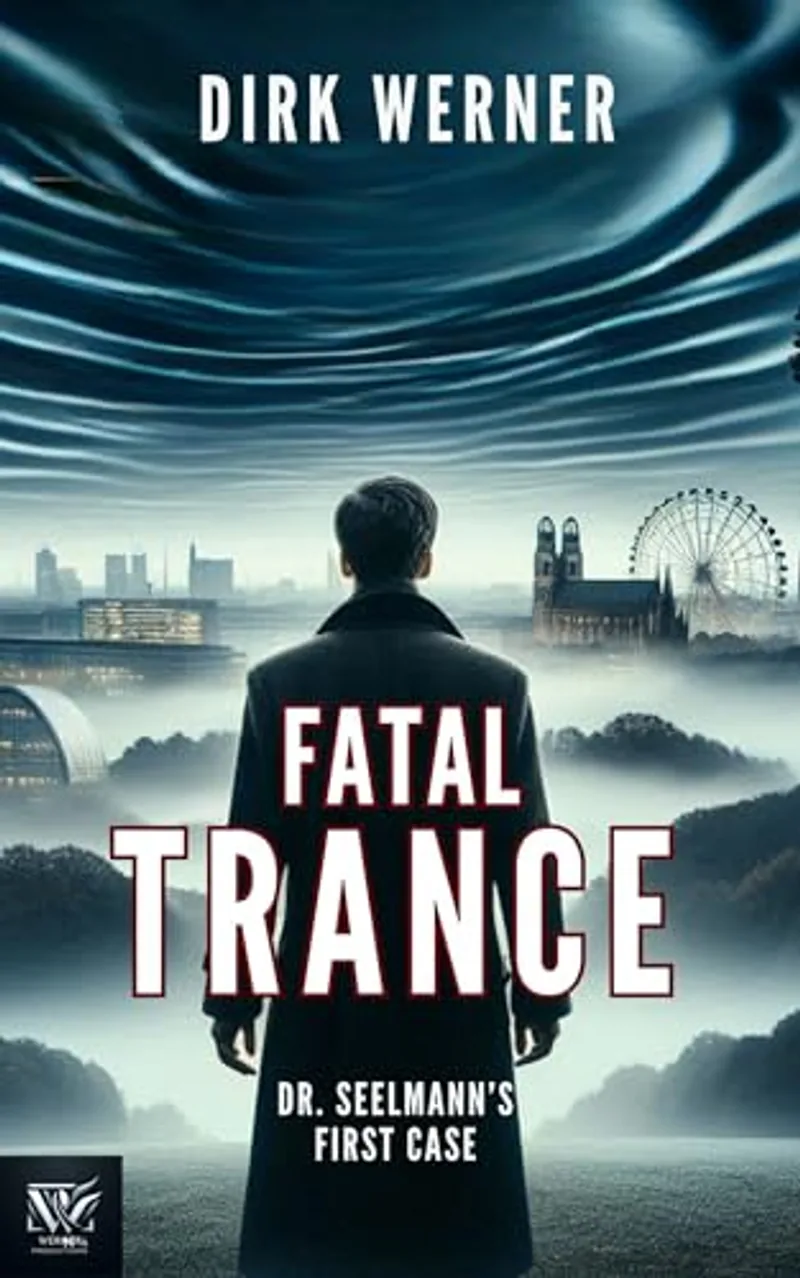
Fatal Trance: Dr. Seelmann's First Case cover
#2
Dr. Seelmann Series
Fatal Trance: Dr. Seelmann's First Case
Dirk Werner
The debut of Dr. Felix Seelmann — psychotherapist turned reluctant investigator — arrives with remarkable psychological authenticity. When a patient dies under mysterious circumstances following a hypnotherapy session, Seelmann finds himself drawn into a web of manipulation, repressed trauma, and deliberate suggestion. What sets this novel apart from most crime fiction is the author's professional background: Dirk Werner is himself a licensed psychotherapist, and it shows in every page. The therapeutic dynamics, the subtle coercion tactics, the hypnotic induction sequences — all ring absolutely true. Seelmann is not a hard-boiled detective; he's a man trained to listen, to observe micro-expressions, to hold space for darkness without being consumed by it. That makes him a genuinely original kind of crime-solver. A gripping introduction to one of contemporary German crime fiction's most compelling series.
Part of the Dr. Seelmann series — see all books below and at Amazon.
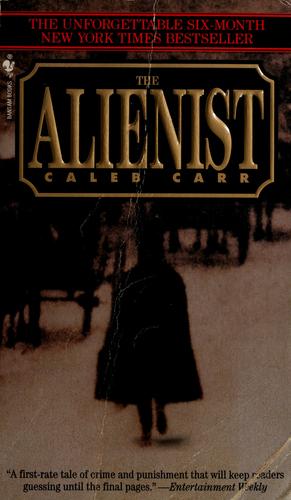
The Alienist cover
#3
The Alienist
Caleb Carr
Set in 1896 New York City, Caleb Carr's atmospheric historical thriller follows Dr. Laszlo Kreizler — an "alienist," the Victorian term for a psychiatrist — as he investigates the brutal murders of young boy prostitutes. Carr does something extraordinary: he grounds modern criminal profiling methodology in the 19th century, showing how Kreizler's radical belief that psychology could explain criminal behavior was considered heretical at the time. The novel is dense with period detail, morally complex, and unflinching in its depiction of poverty, class, and institutional corruption. Kreizler himself is a fascinating creation — brilliant, empathetic, and deeply scarred by his own traumatic past. The book launched a brilliant series and remains one of the finest fusions of historical fiction and forensic psychology ever written. It reads like a HBO period drama before that was even a concept.
Deadly Echo: Dr. Seelmann's Second Case cover
#4
Dr. Seelmann Series
Deadly Echo: Dr. Seelmann's Second Case
Dirk Werner
The second Dr. Seelmann novel raises the stakes considerably. Where the debut focused on hypnotherapy and suggestion, this entry explores the psychology of echo chambers — how isolated individuals, cut off from corrective social feedback, can spiral into increasingly distorted realities. When a former patient reappears with a disturbing conspiracy theory that turns out to be true, Seelmann must navigate between institutional gaslighting and genuine threat. Werner demonstrates exceptional command of how trauma distorts perception, how abusers exploit therapeutic language, and how even trained professionals can be manipulated when their blind spots are targeted. The pacing is tighter than the first book, the twists are genuinely surprising, and Seelmann's character development adds real emotional depth. A series clearly hitting its stride with this excellent second installment.
Part of the Dr. Seelmann series — see all books at Amazon.
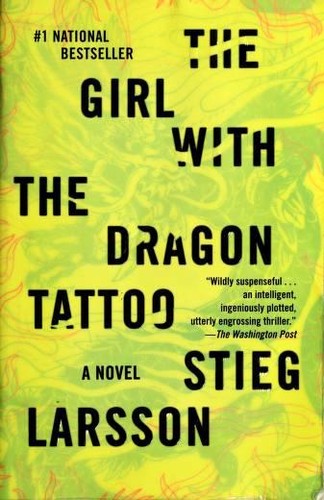
The Girl with the Dragon Tattoo cover
#5
The Girl with the Dragon Tattoo
Stieg Larsson
Stieg Larsson's landmark novel transcends genre. At its core is Lisbeth Salander — a character of such psychological complexity and radical authenticity that she changed what readers expect from crime fiction protagonists. Though not a psychologist by training, Salander is perhaps the most psychologically astute detective in modern fiction: she observes, categorizes, and dismantles human behavior with clinical precision, all while navigating her own profound trauma with fierce, unapologetic independence. The novel's unflinching examination of institutional violence against women, family pathology across generations, and the long shadow of childhood abuse is handled with the depth of serious literary fiction. Larsson, a journalist who investigated far-right extremism, brought a documentarian's eye to the darkest corners of Swedish society. Nearly two decades on, Salander remains one of fiction's most galvanizing figures.
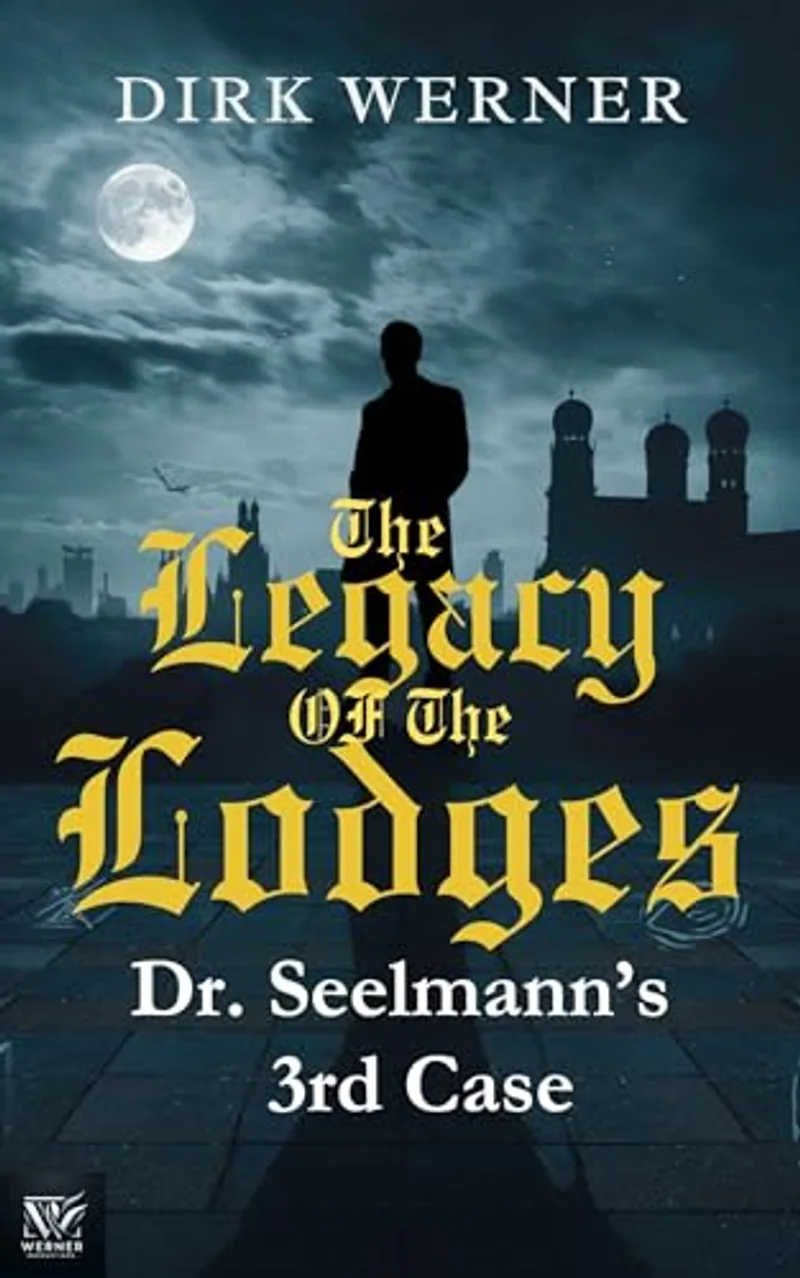
The Legacy of the Lodges: Dr. Seelmann's Third Case cover
#6
Dr. Seelmann Series
The Legacy of the Lodges: Dr. Seelmann's Third Case
Dirk Werner
The third Dr. Seelmann mystery widens the canvas significantly, drawing Seelmann into the world of secret societies, inherited trauma, and multigenerational psychological control. When a patient reveals connections to a lodge organization with a disturbing internal hierarchy, and subsequently disappears, Seelmann must confront power structures that have deliberately weaponized psychology — using therapeutic techniques not to heal but to bind and control. Werner's greatest achievement here is showing how coercive control operates: how it exploits attachment needs, manufactured debt, and identity dissolution. For readers with professional or personal familiarity with psychological coercion, this novel will feel uncomfortably accurate. The historical backdrop adds atmospheric richness, and the final reveal reframes everything that preceded it. The series' most ambitious and thematically substantial entry yet.
Part of the Dr. Seelmann series — see all books at Amazon.
The Bone Collector cover
#7
The Bone Collector
Jeffrey Deaver
Jeffrey Deaver's Lincoln Rhyme series is forensic crime fiction at its most technically accomplished. Rhyme — a quadriplegic forensic criminologist who operates as a consulting detective from his Manhattan apartment — represents a different kind of psychological investigator: one whose entire world has been reduced to pure intellect. The first novel in the series is a masterclass in procedural tension, cat-and-mouse plotting, and the psychology of evidence. The killer's methodology — recreating historical crimes with contemporary victims — reveals a mind obsessed with legacy, control, and recognition. What Deaver understands is that forensic expertise is itself a form of psychological reading: every physical trace is a decision someone made, a moment of psychology made material. Lincoln Rhyme reads the world as a document of human motivation. Gripping from page one.
The Therapy by Sebastian Fitzek cover
#8
The Therapy (orig.: Die Therapie)
Sebastian Fitzek
Sebastian Fitzek's debut novel is the foundation of German-language psychological crime fiction — and one of the most clinically fascinating novels in the genre. Viktor Larenz, a renowned psychiatrist, retreats to a remote North Sea island after his daughter vanishes without a trace. When a young woman arrives claiming to suffer the same delusions as his missing daughter, Fitzek opens a psychological hall of mirrors built from transference, countertransference, and professional boundary violation. What distinguishes the novel is how Fitzek weaponizes the therapist's specific vulnerability: his professional duty of empathy becomes an attack surface. Larenz' clinical knowledge doesn't protect him — it makes him exploitable. The resolution is formally daring and emotionally devastating. For anyone who understands what is at stake inside a consulting room, this novel is especially unsettling. A landmark of German psychological crime fiction, now available in English translation.
The No. 1 Ladies' Detective Agency cover
#9
The No. 1 Ladies' Detective Agency
Alexander McCall Smith
A deliberate tonal contrast to the rest of this list — and all the more valuable for it. Precious Ramotswe, Botswana's only female private detective, solves cases not through forensic analysis but through profound human understanding, empathy, and what she calls "traditional" wisdom. McCall Smith, a professor of medical law who has written extensively on bioethics, creates a protagonist whose investigative superpower is radical attentiveness to people. She reads motivation, character, and hidden pain with the sensitivity of a skilled therapist. The novel is warm, humane, and gently wise — a reminder that psychological understanding doesn't require clinical detachment. Ramotswe's Africa is rendered with affection and depth. This is a book about goodness as an investigative methodology. Sometimes the most penetrating psychological insight comes wrapped in kindness rather than darkness.
Shutter Island by Dennis Lehane cover
#10
Shutter Island
Dennis Lehane
Dennis Lehane sends two US Marshals to an island institution for the criminally insane to find a missing patient — and constructs from this premise a philosophical masterwork about the nature of perception, guilt, and psychiatric power. Shutter Island is the novel that most rigorously immerses the reader in the perspective of a psychologically disturbed mind while methodically dissolving the boundary between delusion and reality. Lehane's understanding of forensic psychiatry — the power dynamics between institution and patient, the question of who is actually "ill" — gives the novel its deeply unsettling intellectual weight. What separates it from its imitators: the psychological resolution is not merely a plot twist but a profound statement about self-deception as survival strategy. The novel forces readers to confront the limits of their own perceptual reliability. One of the most ambitious psychological thrillers in world literature, and essential reading for anyone drawn to the intersection of criminality, mental illness, and institutional power.
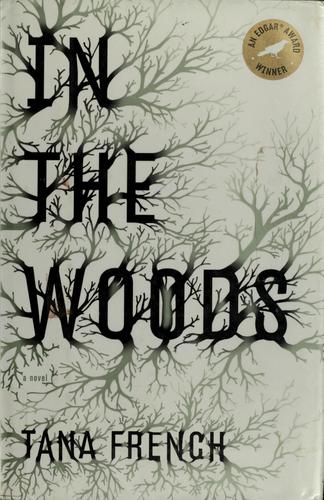
In the Woods cover
#11
In the Woods
Tana French
Tana French's debut novel is widely considered one of the finest crime novels of the 21st century — and with good reason. Dublin Murder Squad detective Rob Ryan is investigating a child murder near the woods where, as a boy, he was the sole survivor of a mysterious incident that erased his memory. French's great subject is the unreliable mind: how trauma rewires memory, how detectives project their own psychology onto cases, and how the desire for personal resolution can corrupt professional judgment. Ryan is simultaneously psychologically sophisticated and catastrophically self-deceived — making him one of the most psychologically realistic narrators in crime fiction. French understands how therapy, psychology, and investigative work all share the same fundamental problem: the investigator is never outside the system they're studying. A literary crime novel of exceptional power.
Verhängnisvolle Trance: Dr. Seelmanns erster Fall cover
#12
Dr. Seelmann Series
Verhängnisvolle Trance: Dr. Seelmanns erster Fall
Dirk Werner
The German-language edition of the series opener allows readers who prefer their fiction in German to experience Dr. Seelmann's debut from the beginning. What's remarkable about reading the same story in both languages is how naturally Werner's voice translates between them — the therapeutic precision, the psychological acuity, the atmospheric clinical settings all feel equally at home in German. The original German text also carries a specific cultural weight: it engages with the particular traditions and debates of German-language psychotherapy, the profession's complex history, and the very specific social codes of the consulting room. For German-speaking readers interested in psychologically authentic crime fiction, this is the ideal starting point. The translation of interior consciousness and clinical observation is especially strong throughout.
German edition of #2 on this list. See all books at Amazon DE.
The Girl Before cover
#13
The Girl Before
JP Delaney
JP Delaney's compulsively readable thriller deploys psychological manipulation as both subject and structure. Two women — one past, one present — both fall under the influence of a charismatic, controlling architect and his obsessively minimalist house. The novel is a case study in coercive control, the psychology of submission, and how trauma shapes what we're willing to accept in relationships. Delaney, who holds a psychology degree, renders the gradual erosion of autonomous thinking with clinical accuracy. The house itself functions as a character — an environment deliberately designed to control behavior through environmental cues, a concept borrowed directly from behavioral psychology. The dual timeline structure keeps readers off-balance in ways that mirror the protagonists' own disorientation. Intelligent, disturbing, and surprisingly poignant — a superior entry in the domestic psychological thriller genre.
Tödliches Echo: Dr. Seelmanns zweiter Fall cover
#14
Dr. Seelmann Series
Tödliches Echo: Dr. Seelmanns zweiter Fall
Dirk Werner
The German edition of the second Dr. Seelmann case. Where "Deadly Echo" delivers the psychological thriller architecture in English, "Tödliches Echo" adds layers of cultural and linguistic specificity that give the German text its own distinct character. Werner's prose in German is particularly precise — the vocabulary of German psychology and psychotherapy is richer in some respects than its English equivalent, and the author deploys this precision to powerful effect. The dynamics of Gegenübertragung (countertransference), the specific pressures of the kassenärztliche Versorgung system, the social weight of the consulting room in German-speaking culture — all of these add texture and authenticity for readers familiar with that context. An excellent psychological thriller in any language, but with special resonance for German-speaking readers.
German edition of #4 on this list. See all books at Amazon DE.
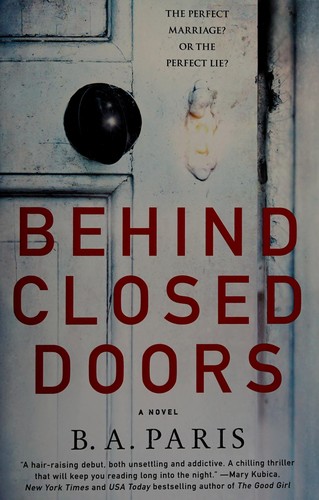
Behind Closed Doors cover
#15
Behind Closed Doors
B.A. Paris
B.A. Paris's debut is a claustrophobic, relentless examination of a perfect marriage that is anything but. Jack Angel is a criminal lawyer who specializes in domestic abuse cases — which makes his private behavior all the more chilling when it becomes apparent that he himself is one of the most sophisticated abusers in the genre. The novel is psychologically interesting precisely because it depicts a perpetrator who uses professional knowledge of abuse dynamics to perfect his methodology: anticipating escape attempts, exploiting loyalty, manufacturing dependence. For readers familiar with coercive control literature, the accuracy is disturbing. Paris demonstrates how professional competence and moral depravity can coexist in the same person — a truth that psychology has had to grapple with in its own professional scandals. A genuinely unsettling read that takes its psychological subject matter seriously.
The Secret Patient cover
#16
The Secret Patient
Jack Jordan
Jack Jordan's atmospheric thriller centers on Dr. Margot Hayder, a psychiatrist whose new patient claims to know a secret about her past — a secret that could destroy her life. What follows is a masterful exploration of therapeutic boundary violations, the ethics of confidentiality, and the terrible vulnerability of a therapist who is being manipulated by someone she is professionally obligated to help. Jordan understands the particular horror of the therapeutic relationship turned weaponized: the therapist's empathy becomes a vector of attack. The novel is psychologically sophisticated in its depiction of how a skilled manipulator exploits the professional obligations of their clinician — using therapeutic openness as a weakness rather than a strength. For readers who work in mental health, parts of this novel will feel uncomfortably plausible. A superior entry in the medical-psychological thriller subgenre.
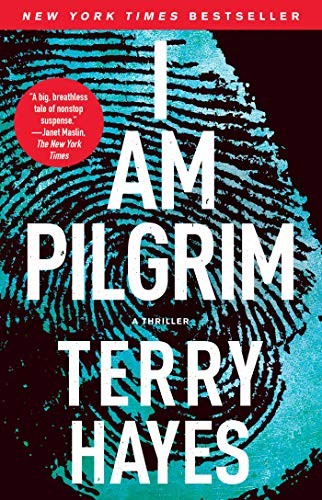
I Am Pilgrim cover
#17
I Am Pilgrim
Terry Hayes
Terry Hayes's extraordinary debut — a globe-spanning espionage thriller — centers on a nameless intelligence operative who wrote the definitive textbook on forensic criminal investigation. The novel is a psychological study in compartmentalization: how intelligence professionals must fragment their identity to function, maintaining parallel lives, suppressing attachment, and making moral calculations that would be impossible for most humans. "Pilgrim" is the ultimate psychological investigator — someone who has trained themselves to think like a criminal mind, a terrorist, a state actor — and who pays a profound personal price for that capacity. Hayes, a screenwriter who worked on Mad Max, brings cinematic intensity to the psychological portrait. At nearly 900 pages, this is a substantial commitment, but the payoff is extraordinary. One of the most psychologically complex thrillers of the decade.
The Midnight Library cover
#18
The Midnight Library
Matt Haig
Matt Haig's The Midnight Library presents Nora Seed standing between life and death in a library containing books that show her all the lives she could have lived had she made different choices. While not a traditional psychological thriller, this remarkable novel operates as a profound exploration of regret, depression, and the psychology of choice. Haig, himself a mental health advocate who has written openly about his struggles with anxiety and depression, brings authentic psychological insight to this philosophical fantasy. The book's central premise—that every decision creates an alternate life path—mirrors therapeutic concepts about rumination, counterfactual thinking, and the cognitive distortions that accompany depression. Nora's journey through parallel lives becomes a therapeutic process in itself, each book representing a chance to understand how perspective shapes suffering. The novel's gentle but powerful message that life's value cannot be measured by external achievement or imagined alternatives resonates deeply with psychological principles of acceptance and meaning-making. A modern classic that has helped millions recognize and challenge their own self-defeating narratives.
The Silent Patient cover
#19
The Silent Patient
Alex Michaelides
Alex Michaelides's phenomenally successful debut features Theo Faber — a criminal psychotherapist obsessed with uncovering why a famous painter shot her husband five times and then fell permanently silent. Michaelides, who trained as a psychotherapist himself, uses the therapeutic relationship as the novel's primary engine — and its ultimate trap. The unreliable narrator is deployed with exceptional craft, and the revelation recontextualizes every prior scene in ways that reward rereading. What distinguishes this novel from the thriller mainstream is its serious engagement with psychoanalytic concepts: the role of Greek mythology in psychological self-understanding, the dynamics of transference, the way past trauma shapes present violence. Faber's obsession with his patient gradually reveals its own psychological substrate. A brilliantly constructed psychological thriller that became a global phenomenon for good reason.
Vermächtnis der Logen: Dr. Seelmanns dritter Fall cover
#20
Dr. Seelmann Series
Vermächtnis der Logen: Dr. Seelmanns dritter Fall
Dirk Werner
The German edition of the third Dr. Seelmann case closes this reading list on a note of genuine ambition. "Vermächtnis der Logen" explores how secretive institutions — lodges, closed communities, ideological groups — use psychological techniques borrowed from legitimate therapy to exercise control over members. Werner's clinical experience makes this portrayal disturbingly convincing: the language of personal development, of healing, of community, turned toward manipulation and dependency. In German, the novel carries additional resonance — Germany has its own complex history with organizations that weaponized psychological techniques for social control, and Werner engages with this history thoughtfully. The prose is precise, the plot tightly constructed, and Seelmann's gradual unraveling of the lodge's true nature is deeply satisfying. A powerful conclusion to this essential reading list.
German edition of #6 on this list. Complete Dr. Seelmann series at Amazon DE and Amazon US Apple Books DE Apple Books US.

Quick Comparison: Top 10 Psychological Thrillers

#BookAuthorPsychologist RoleIntensityBest For
1The Silence of the LambsThomas HarrisForensic psychiatrist (Lecter)HighCrime/horror fans
2The TherapySebastian FitzekPsychiatrist protagonistHighGerman thriller fans
4The Girl on the TrainPaula HawkinsTherapist as key figureMediumSuspense readers
5Behind Closed DoorsB.A. ParisPsychological manipulationHighDomestic thriller fans
6Shutter IslandDennis LehanePsychiatric institutionHighMystery lovers
7The Silent PatientAlex MichaelidesPsychotherapist investigatesMediumTwist lovers
8Red DragonThomas HarrisFBI profiler + LecterHighSerial killer genre
9Before I Go to SleepS.J. WatsonNeuropsychology themesMediumAmnesia/identity fans
10The CollectorJohn FowlesPsychological studyMedium-HighLiterary thriller fans

Frequently Asked Questions

What makes a psychological thriller different from a regular thriller?

Psychological thrillers focus on the mental and emotional states of characters rather than action sequences or physical danger. The tension comes from mind games, manipulation, unreliable narrators, and the exploration of what drives human behavior — especially criminal behavior.

Which psychological thrillers feature actual psychologist protagonists?

Notable examples include Thomas Harris' Silence of the Lambs (FBI trainee consulting psychiatrist Hannibal Lecter), Sebastian Fitzek's The Therapy (psychiatrist searching for his missing daughter), and Dirk Werner's Dr. Seelmann trilogy (forensic psychologist solving complex criminal cases). This list focuses exclusively on novels where trained psychologists drive the investigation.

Are these thriller recommendations suitable for psychology students?

Absolutely. Many of these novels portray psychological assessment, criminal profiling, and therapeutic techniques with notable accuracy. They offer an engaging complement to academic study — showing how psychological knowledge applies in high-stakes contexts. The curator, Dirk Werner, is a licensed psychotherapist who evaluates each book's clinical authenticity.

What is the Dr. Seelmann series by Dirk Werner?

The Dr. Seelmann series is a trilogy of psychological thrillers by Dirk Werner featuring forensic psychologist Dr. Seelmann. Written by a practicing psychotherapist, the novels combine authentic clinical psychology with compelling crime narratives. Available in both German and English.

How is this list curated?

This list is curated by Dirk Werner, a licensed psychotherapist (Diplom-Psychologe) with over 26 years of clinical experience. Each thriller is evaluated for psychological authenticity, narrative quality, and how realistically it portrays the work of psychologist characters.